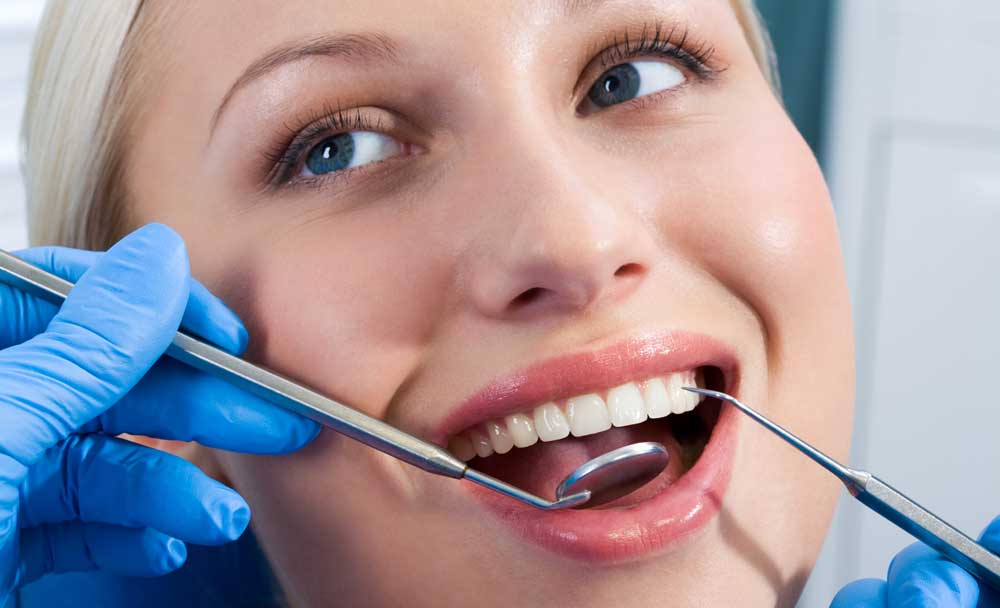
• Gingivitis: What Triggers It, And If I Have Gingivitis, What Should I Do?

    Gingivitis happens when bacteria accumulate near the gum line and induce a disease that irritates your gums and causes them to redden, swell, and bleed. Don't give up if you have gingivitis or are concerned that you may. This Article advises how to avoid it going forward, so read on for more acknowledgment.


    What Triggers Gingivitis?

    Mouth bacteria are everywhere. There are "bad" bacteria that lead to conditions like cavities, poor breath, and gingivitis, and there are healthy bacteria that are necessary for a balanced microbiome.


    • On your teeth, plaque accumulates every day. This is an unseen, sticky film formed of germs that develop quickly—consistently brushing and flossing aids in controlling plaque.
    • Over time, tartar accumulates around your gums, contaminating them and leading to gingivitis.
    • Too much plaque on your teeth can cause it to harden into tartar, which attracts more bacteria.
    • Tartar will push your gums aside as it accumulates, causing them to recede.


    Treatments Of Gingivitis

    Maintaining proper oral hygiene and regular professional dental cleanings are the keys to gingivitis treatment that hasn't developed into more serious periodontal disease.


    • Flossing one time a day
    • Detouring lifestyle aspects, such as smoking, can cause gingivitis
    • Brushing twice a daytime
    • Obtaining an experienced dental cleaning every six months

    This Will Include the treatment that will help you with the issues of gingivitis:


    Scaling and root planing

    This procedure smooths the tooth root's surface to reduce plaque adhesion and removes tartar and plaque from below the gum line.


    Medication therapy

    Antibiotics and antibacterial mouthwashes are examples of medications.


    Procedure for periodontal pockets

    A periodontist attaches gum tissue to the tooth to remove "pockets."

    To preserve your oral health, you must see an urgent dental near me if you are experiencing any issues or emergencies.


    How Can Gingivitis Be Prevented?

    There are a few easy things to stop gingivitis. Make an essential dental appointment with your dentist every six months. Keeping your mouth clean is the other thing we recommend. This entails, at the very least, brushing your teeth gently for at least two minutes twice a day and flossing once a day.


    What Indicates Gingivitis Symptoms?

    Signs of gingivitis Include:

    • Swollen gums that are dark pink, magenta, or red
    • sensitive gums that may hurt when touched
    • Gentle gums
    • Bad breath or halitosis
    • Bleeding that happens when you floss or brush your teeth
    • Gums that recede

    Gingivitis: Is it serious?

    Gingivitis needs to be treated as soon as possible and with significant consideration. Bone loss is not a result of gingivitis. However, if left untreated, it can result in tooth loss and periodontitis, a far more dangerous gum disease.


    Sum It Up

    Everybody has microorganisms in their mouths. In the earlier phases of gum condition, gingivitis, bacteria can only be prevented by practicing good dental hygiene. Early detection and treatment of gingivitis can avoid irreversible damage to your gums and teeth. See a dentist, visit, or walk in dentists near me for dental checkups.

  • How Dental Inlays And Onlays Restore Your Tooth's Functionality?

    You know how difficult it is to eat or do your daily dental activities with various problems in your teeth. If you have problems like chewing or biting, then in that case dental inlay and onlays can come in handy for you. This article will help you to learn how crucial these dental procedures are to regaining the functionality of your teeth. 


    Dental Inlays: Fixing Small Tooth Cavities 

    Dealing with cavities is a common problem in maintaining good oral health. When you have a cavity that is too large for a filling but not severe enough to need a crown, dental inlays act as little heroes to save the day.


    What Are Dental Inlays? 

    The emergency walk in dentist near me will install dental inlays, which are created to order, on the chewing covers of your rear teeth. The teeth in the back, commonly referred to as molars and premolars, are the ones in charge of the majority of food grinding and chewing.


    How Do Dental Inlays Work? 

    Assessment:

    In order to decide whether an inlay is the best option, your dentist will first evaluate your tooth. An inlay is typically the best option if the cavity is too big for a conventional filling but not big enough for a crown.


    Preparation:

    The decayed portion of your tooth will then be gently removed by the cosmetic dentistry near me, who will also take an impression of it. Your custom-made inlay is created in a dental laboratory using the imprint that was sent there.


    Placement:

    Once your inlay is complete, your dentist will use a special glue to adhere it firmly to your tooth. This guarantees a snug fit and aids in restoring the tooth's original functionality and contour.


    Why Are Dental Inlays Important? 

    The natural structure of your tooth is crucially preserved, while cavities are properly treated using dental inlays. You can save more of your tooth by opting for an inlay rather than a crown. Your tooth will undergo less modification as a result, and it will keep more of its strength. 


    Dental Onlays: Repairing Larger Tooth Damage 

    When your teeth have more severe damage, including large cavities or fractures, these dental restorations are like brilliant knights in shining armor for your teeth.


    What Are Dental Onlays? 

    Dental onlays are made-to-order components that resemble inlays but cover a wider area of the tooth's surface. They are used to restore teeth that have damage that cannot be fully repaired by fillings but is not severe enough to require a full dental crown.


    How Do Dental Onlays Work? 

    Assessment:

    Your dentist will evaluate the degree of damage to decide whether an onlay is the best option, much like with dental inlays.


    Preparation:

    Your dentist will prepare your tooth by removing the damaged portion and making an imprint if an onlay is thought to be necessary. To build your personalized onlay, a dental laboratory receives this impression.


    Placement:

    The cosmetic dentistry near me will securely glue the onlay to the surface of your tooth after it is completed. This keeps as much of your natural tooth as possible while restoring the tooth's appearance and functionality.


    Why Are Dental Onlays Important? 

    When it comes to regaining the functionality of your teeth, dental onlay is crucial. You may easily chew, speak, and smile thanks to them if your teeth have moderate to severe damage. They offer a sturdy and long-lasting solution. By opting for onlays, you can avoid the requirement for a full crown, which would necessitate more drastic tooth reduction. 


    Conclusion: 

    In conclusion, dental inlays and onlays are worthwhile dental procedures that are essential in restoring the functionality of your teeth. Onlays are the preferred choice for more severe tooth damage, while inlays are ideal for treating minor cavities. These specialized restorations assist in preserving the strength and contour of your teeth while removing any discomfort brought on by dental problems. Therefore, keep in mind that dental inlays and onlays are available to save your smile the next time you have a dental issue.


  • Advice For A Quick Recovery Following Wisdom Teeth Extraction

    The last teeth to erupt are your wisdom teeth, situated at the very rear of your mouth. While wisdom teeth erupt most frequently between the ages of 17 and 21, they may not explode. Additionally, they often get impacted, which means that rather than growing upward like the rest of your teeth, they either grow at an acute angle or cannot erupt fully. Your wisdom teeth removal will need to be done surgically if this occurs. Although this regular operation is normal, there is a recovery period.


    Understanding the recovery tips

    Drink up

    Straws should be avoided when drinking liquids, despite the temptation to use one. To stay hydrated, instead, take little sips from your glass. Steer clear of alcohol and caffeine-containing beverages. Recovery depends on staying hydrated, so try to sip water whenever possible.


    Pain management

    You will be sent home as soon as you wake up from your sedation on the day of your surgery. Because the sedation used has long-lasting effects that can make driving dangerous, you will need someone to take you home. You can also use an ice pack to reduce swelling and keep yourself comfortable. Wrap ice packs in a cloth and apply them every 20 minutes, taking a 20-minute break before reapplying ice.


    Avoid smoking

    After surgery, smoking should be avoided as it may impede the healing process. This is your chance to break free from the smoking trap. Smoking can move the clots, which can result in painful and dreaded dry sockets.


    Hot foods should be avoided

    It is critical to avoid piping hot food during the healing process. Scorching food and drink temperatures can put you at risk of burning your surgical site.


    Stick to the suggested eating plan

    The suggested diet should consist of all meals and snacks. Food may become lodged at the surgical site, so this is crucial.


    • Hot dishes
    • Crumbled and broken foods
    • Seeds and Grains
    • Berries with a lot of seeds, like raspberries and blackberries

    Suitable maintenance

    • Don't floss or brush on the day of the procedure.
    • Using salt water to rinse your mouth will help to clean the cuts.
    • To avoid loosening the clots, never spit out the water when rinsing; let it fall out of your mouth and into the sink.

    Follow prescription drug instructions

    In a week or so, depending on your specific situation, you should visit the nearest dentist office to recover fully. You may need more time to recover if your wisdom teeth are affected. You should be able to recover well and prevent infection or complications as long as you adhere to the home care instructions we give you.


    Consume soft foods

    After your surgery, you won't feel starving, but it's still important to eat, even if you wait until the following day.


    • Yogurt Broth
    • Eggs scrambled
    • mashed bananas
    • cottage cheese
    • Apple sauce
    • Soup with Puddings
    • Mashed potatoes

     If there's a dentist open on Saturday, you can visit them on the weekends when most people have time to spare.


    Conclusion

    Wisdom tooth extraction is a routine dental approach that can reduce discomfort, avoid complications, and enhance general oral health. You can approach this procedure confidently if you understand the guidelines for recovery. To Get More Information, visit Wisdom Teeth Removal near me.


  • Cosmetic Dentistry: Ready To Improve Your Smile?

    Are you considering your options for cosmetic dentistry? It is worthwhile to take the time to learn about your cosmetic options if you have one or more things you would like to change about your smile. On the other hand, you may need more information to visit the best cosmetic dentistry near me to achieve the smile of your dreams if you require more extensive dental work.


    Comprehending Cosmetic Dentistry

    Now, let's take a closer look at what cosmetic dentistry entails. Even with cosmetic dentistry's increasing popularity, some questions regarding its scope and goal still need to be answered. First and foremost, keep in mind that cosmetic dentistry encompasses more than just aesthetics.


    Family cosmetic dentistry aims to make your teeth and gums appear more appealing. It's not just about appearances, though. Oral health is improved by many cosmetic procedures as well. Dental implants, for example, do more than just close gaps in your teeth—they also stop the jaw from losing bone.


    Why does it matter?

    Cosmetic dentistry procedures are required because people are far more likely to smile when they have a smile they proudly display. People are far more likely to feel content and self-assured when they smile more frequently. Additionally, the likelihood of someone leading a successful life increases significantly when they feel at ease and confident. Nobody should put up with broken teeth or a smile they feel they must cover up any longer. If You feel any discomfort in your oral health, make an appointment with an emergency dentist near me.


    Before And After Results

    Dental Veneers

    Dental veneers treat various dental issues, including crooked, chipped, discolored, and spaces between teeth.


    Crowns

    In this case, the cosmetic dentist makes crowns or caps that enclose the tooth entirely. Typically, they are composed of porcelain or acrylic to allow for fusion into the tooth's white band.


    Teeth Whitening

    Also referred to as teeth bleaching, this process involves removing discolored or stained teeth to make them appear brighter.


    Implants: Essentially, they are used to create or restore lost teeth. In this instance, the titanium device is surgically inserted into the jawbone where the absent tooth is located.


    Dental bonding

    This procedure is applied to chipped or broken teeth. Bonding over the tooth-colored material on the tooth improves the appearance of those teeth.


    Orthodontic treatment

    People with crooked or buck teeth should get orthodontic treatment. Not just kids can benefit from this treatment; adults who wish to change their appearance can also.


    Most people concur that there is a noticeable difference whether you compare your experiences before and after cosmetic dentistry or snap pictures. The distinction between teeth that grin straight and teeth that chip or break. or teeth that are sensitive to sugar, heat, and cold. Or the distinction between a wholly rebuilt biting surface and teeth that are cracked and uneven.


    Conclusion

    To sum up, cosmetic dentistry encompasses more than just a set of sophisticated methods and processes. One smile at a time, this art form can change lives. As you search for the ideal smile, remember that numerous advantages go beyond appearance. Accept the shift, remain receptive to new opportunities, and let your smile brighten everyone around you. If You Need more information, visit an affordable dentist near me for dental checkups.


  • Discover The Distinction Between Onlays And Inlays

    Generally speaking, crowns are used to cover up significant fractures, whereas fillings are utilized to fill in little voids. However, there might be situations where a filling is too little or a crown is too large to conceal tooth rot. Many dentists will utilize dental onlays and inlays if they need something "Just right" to fill in those spaces between your teeth. In this article, you will find the difference between dental inlay vs onlay. To acknowledge more, continue reading.


    What Are dental inlays and onlays?

    Since onlays and inlays are positioned outside the mouth as a solid piece that precisely fits the cavity's dimensions, they are called "Indirect Fillings."When a tooth has enough damage to warrant an easy filling, but not enough harm to need a crown, onlays and inlays are used in premolars and molars.


    Porcelain, which resembles teeth, is used to make dental inlay and onlays, which enhances the patient's aesthetic experience. When decay or trauma damages the chewing portion of your tooth, dental inlays are placed and shaped there.


    Understanding the difference between Dental inlays and onlays

    The amount of surface area that inlays and onlays cover in the mouth is the primary distinction between them. While onlays might occasionally cover half or three-quarters of your tooth, inlays are the smaller.


    Onlays offer more protection for the tooth with less invasiveness than crowns, which is why many dentists will favor them. Inlays are similar to fillings, but they provide a superior and longer-lasting solution because they cover a greater area more readily. While fillers can occasionally weaken the tooth due to the filling material's expansion, inlays strengthen the tooth.


    What is the duration of inlays?

    Inlays typically last 15 years; however, they may endure up to 30 years or longer. Feel free to go toward the more costly materials when thinking about inlays.


    How Much Time Do Onlays Take?

    Since dental onlay are frequently removed from teeth and subjected to more wear and strain, their lifespan is comparatively shorter than inlays. An average of ten to fifteen years should pass between your onlays.


    Advantages or drawbacks of inlays and onlays

    Advantages

    Improved Color Match: Your teeth match the inlays and onlays. Other options do not provide a color match.


    Durability: Compared to most conventional tooth repairs, inlays and onlays offer significantly more excellent durability and lifetime when cared for properly.


    More excellent Protection: Inlays and onlays are more effective against further tooth decay than crowns.


    Drawbacks

    Cost: While onlays and inlays are frequently more expensive, you get what you pay for.

    Several Visits: Following the initial visit, you will almost certainly need to make at least one additional visit.


    In Conclusion

    Relying on the harm to your tooth, your dentist may recommend an onlay or an inlay. Cavity removal depends upon the hospital and the material used for sealing the excavations. Onlays are typically indicated for more extensive excavations, while inlays are recommended for smaller holes. An onlay is necessary for optimal coverage and structural stability.


Free Website Created & Hosted with Website.com Website Builder

Create Yours

Create Free Website Now

Stunning Website Templates. Free Domain.
website.com: Get Your .COM Domain for Just $14.77/year No Hidden Fees Register Now