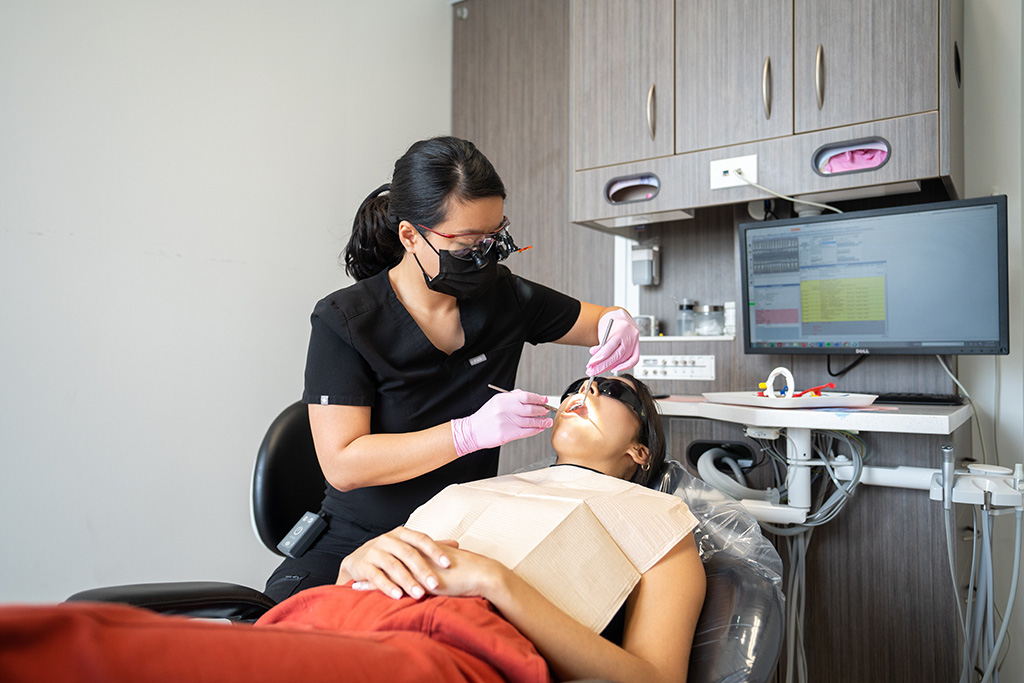
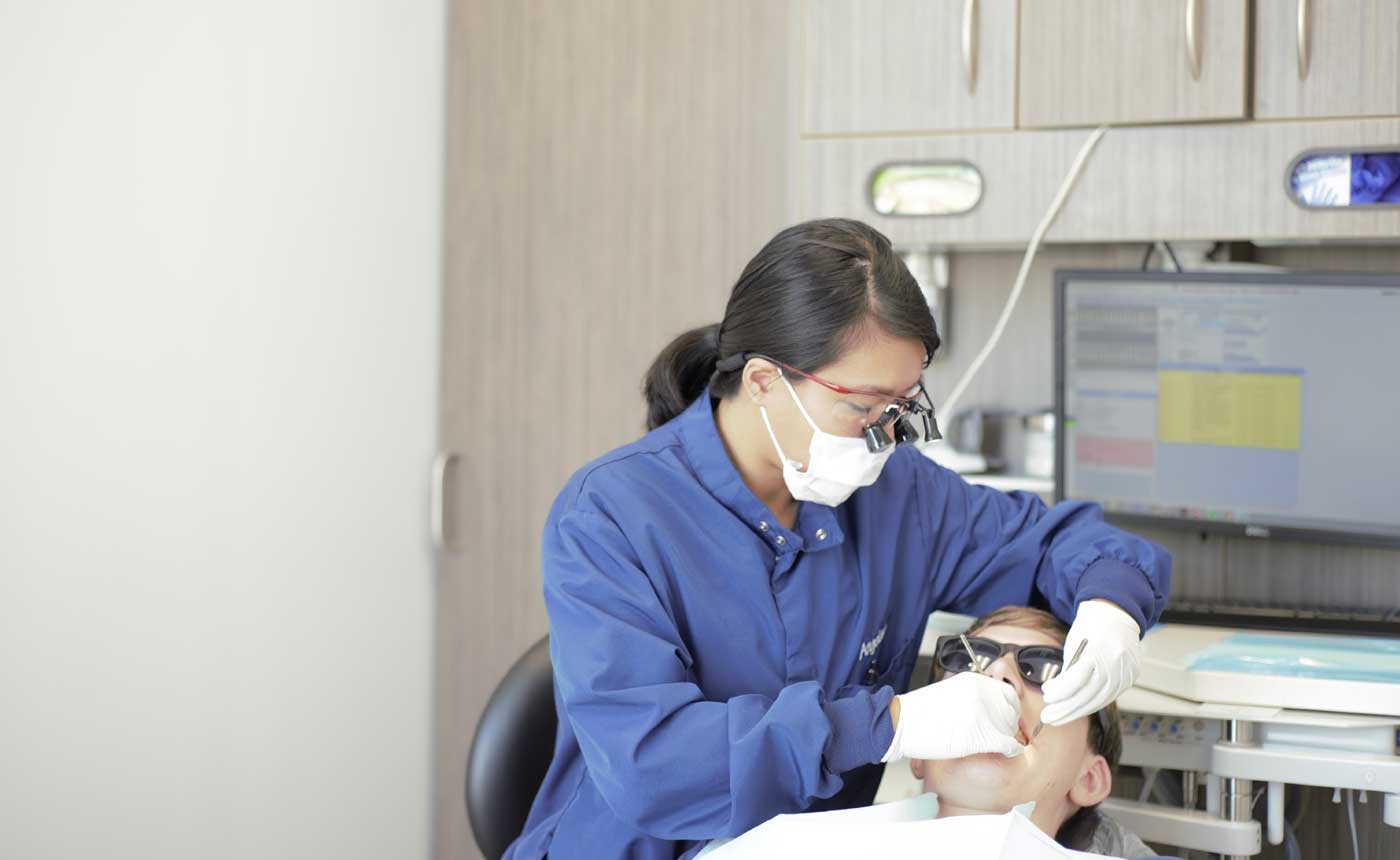
• What Is A Root Canal Treatment? When Would I Require A Root Canal In Houston?

    Instead of extracting a harshly decayed or damaged tooth, a root canal system can protect and recover it. Scrubbing the canals inside the tooth's root gives the word "root canal" its meaning. Years ago, root canal systems were continually painful. Most patients experience little to no pain during a root canal because of dentistry and local anesthetics improvements.


    Why is a Root canal required? 

    Bacteria can bear the pulp when a tooth has a severe cavity, a crack, or both. Inflammation and pulp harm can also result from tooth concussion. Bacteria and decaying matter can result in a significant disease or a tooth abscess if left untreated, which can cause pulp end, bone loss, and tooth loss. A tooth cavity, tooth distress, gum swelling, and temperature sensitivity are just symptoms and signs you could experience.


    Causes of root canal

    The most common signs of pulp injury include tooth pain, swelling, and a warm feeling in the gums. Your Doctor will examine the painful tooth and take X-rays to verify the diagnosis. For more information, you can visit a root canal specialist near me.  If your dentist determines you require a root canal, they may recommend an endodontist.


    How is a root canal performed? 

      • Anesthetic: A regional painkiller will be injected into your gums when it has had time to take the outcome. A harsh pinching or burning feel is possible but will pass soon.
      • Antibiotics: The dentist may use a topical antibiotic on the area after removing the pulp to prevent the disease and control reinfection. The dentist will use rubber to fill and seal the teeth behind the canals that have been cleansed and sterilized. They might also suggest oral antibiotics for you.
      • Temporary filling: The Specialist will use a smooth, short substance to fill the small hole in the tooth's peak. Saliva damage to the canals is less likely because of this sealant.


    Follow-up 

    Most dentists would advise you to take acetaminophen to relieve these symptoms. Call your dentist if the discomfort worsens or persists for a few days. You'll visit your emergency dentist near me within a few days of the root canal. They'll also put a permanent filling in place of the temporary one.


    You might need periodic weeks to adjust to your tooth's feelings following the surgery. There is no need to worry, as this is usual.


    When does tooth decay happen? 

    tooth decay removal occurs when the outermost, hard layer of your teeth, the tooth enamel, forms to dissolve. On your teeth, bacteria-filled plaque is continually growing. Sugar-containing diet consumption causes microorganisms to generate acid. The acid erodes tooth enamel if plaque isn't frequently removed from teeth. Cavities and dark stains are the results of this.


    Conclusion

    Mild pain can follow a successful root canal for a few days. If you maintain proper dental hygiene, this is only a transitory situation that should go away independently. If the pain continues after three days, visit your affordable dentists near me for a follow-up.


    In place of a harmed tooth being extracted, your Specialist may recommend a bridge, partial denture, or implant for a root canal. This is an expensive method that typically necessitates multiple medical appointments.

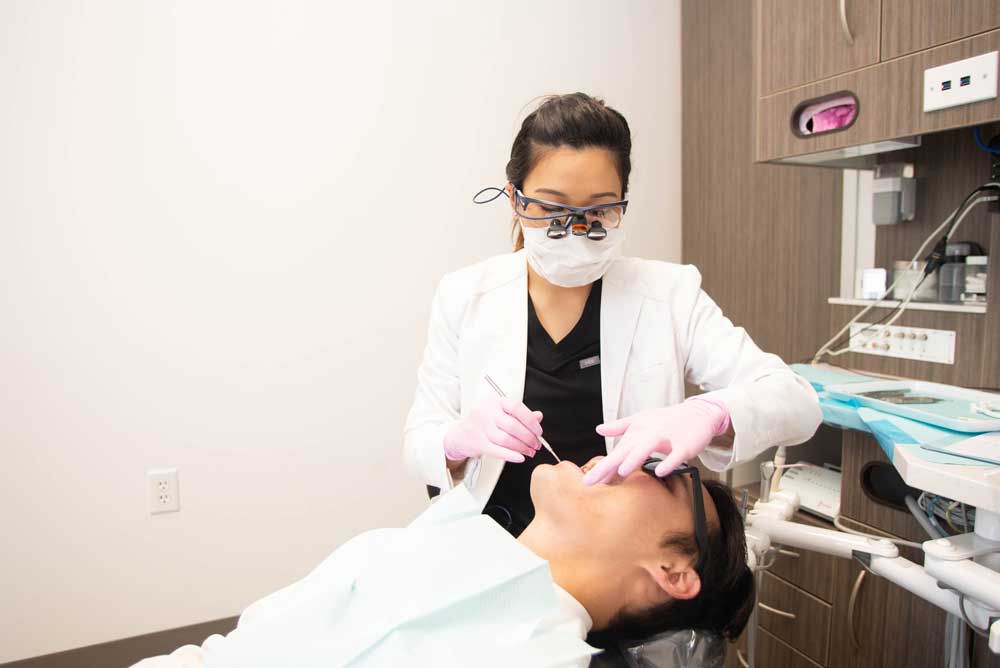
  • What Is Better For Your Teeth: Dental Bonding Or Porcelain Crowns?

    You want to correct any issues with your teeth, such as chips, cracks, or discoloration. Dental bonding and porcelain crowns are two popular methods for doing this. Both of these dental procedures have various advantages and considerations, and which one is better for you, you can decide by reading this article till the end. 


    Dental Bonding:

    Dental Bonding: What Is It? 

    Dental bonding is similar to a dental magic act. It's a quick and affordable solution for modest problems. Your teeth may need to be fixed or reshaped by the dentist open on saturday near me, who employs a type of plastic called tooth-colored resin. Chipped or stained teeth are frequently treated with it.


    Pros Of Dental Bonding:

    Affordability:

    If you are looking for an affordable option, then dental bonding is the option you should go for. Ask your dental professional for the dental bonding cost.


    Quick Process:

    Bonding happens quickly. You may typically complete it in a single visit. No need to schedule several appointments.


    Minimal Tooth Removal:

    Bonding preserves the majority of your tooth, in contrast to crowns, which need significant tooth removal. To aid the resin's adhesion, they merely slightly roughen the surface.


    Considerations For Dental Bonding:

    Durability:

    Although cosmetic bonding is resilient, porcelain crowns are more resilient. Over time, especially if you're rough on your teeth, it can require maintenance or repairs.


    Staining:

    Crowns are more resistant to stains than bonding materials. Therefore, it might not stay as white as you'd want if you smoke, drink a lot of coffee or tea, or both.


    Porcelain Crowns:

    Porcelain Crowns: What are they?

    Crowns made of porcelain are similar to tiny hats for your teeth. They completely encase your teeth and are an excellent solution for bigger issues like a seriously broken or rotting tooth. They are constructed of porcelain, a durable substance that resembles tooth enamel.


    Pros Of Porcelain Crowns:

    Strength:

    Crowns made of porcelain are strong and resistant to a lot of wear and tear. They are appropriate for molars, which do the majority of the demanding chewing.


    Natural Look:

    These crowns perfectly match your other teeth and have a very natural appearance. They do a good job of resembling real teeth in appearance.


    Stain-Resistant:

    Because porcelain resists stains well, you may enjoy your coffee without being concerned about fading. 


    Considerations For Porcelain Crowns:

    Cost:

    The price is the main drawback. Dental bonding is less expensive than porcelain crowns. This may not be the greatest option if money is tight.


    Tooth Reduction:

    Your dentist must remove a sizable amount of your natural tooth in order to fit a crown. This is a permanent alteration that cannot be undone.


    Multiple Visits:

    A porcelain crown often requires multiple appointments. You'll require at least two trips to the dentist. 


    Conclusion: 

    In the end, your individual dental needs and your budget will determine whether you choose dental bonding or porcelain crowns. Dental bonding is a fantastic option for little problems because it is quick and affordable. It might not be as resilient to stains as porcelain crowns, though. 


    Porcelain crowns, on the other hand, are exceedingly robust and appear incredibly natural, making them perfect for more serious dental issues. They are more expensive, need more frequent dental appointments, and call for the removal of more natural tooth structures. To learn more, you can visit an emergency dentist open 24 hours near me.


  • Why Do We Use Dental Bone Grafting, And What Is It?

    A less well-known treatment frequently carried out with dental implant surgery is a bone graft. A bone graft may be necessary whenever there is insufficient bone tissue to support teeth, implants, or gum disease in the past.


    Getting your dental implants repaired safely and comfortably is the ultimate goal. However, there must be a recovery period between the graft process and implant placement.


    It is essential to give yourself enough time to recuperate completely, even though we understand that waiting for the much-needed implants to restore your smile might be irritating. After all, this is an investment in your health.


    How Is Surgery for Dental Bone Grafting Performed?

    It's not as scary as dental bone grafting might seem. Contemporary methods guarantee a relatively modest operation. Anesthesia is the initial stage, and patient comfort remains the first focus. This procedure gives the graft good access and separates the gums from the problematic area of bone.


    Your graft's composition and origin will depend on the extent of bone loss and the graft's placement. Bone can occasionally be extracted from the rear of your jaw. This will require a minor second cut at the harvest location. Among the most comfortable and least costly cosmetic dental procedures, bonding can repair damage to your teeth and create an everlasting impression. For valuable information, visit Once Teeth Bonding near me.


    Does the Process Cause Pain?

    It makes sense that fear of pain is the primary source of worry in patients undergoing dental work.


    First and foremost, you should be aware that the surgery is done under general anesthesia and that you will be profoundly sedated the entire time. Naturally, this means you won't experience any pain or fear during surgery. As you heal, some discomfort is to be expected. If necessary, your surgeon might also prescribe painkillers.


    Who Needs Bone Grafts?

    A bone transplant may be necessary for anyone experiencing bone loss before they receive a dental implant or restore a lost tooth. For example, following a sinus lift treatment, you will nearly always require a dental bone graft to aid in the healing of your sinus cavity, alternatively, if you have severe bone loss due to periodontal diseases. A bone graft, for example, can assist in regenerating the dental bone at the intended installation sites if your jawbone has resorbed so much that it is too short for an implant.


    What consequences might a dental bone graft cause?

    Annoyance and edema are the most typical unfavorable consequences of a dental bone graft. However, using cold packs and over-the-counter painkillers, these can be minimized. For specific individuals, prescription-strength drugs can be required.


    Any surgical operation bears the risk of disease. Therefore, it's critical to take the entire prescription of antibiotics.


    When should I visit my physician?

    Signs of trouble include:

    Redness and swelling around the mouth

    Continuous numbness or tingling

    pain that persists or worsens several days after the procedure

    an implant that becomes loose, indicating a previous bone graft has failed

    If You Face this issue, please visit tooth extractions near me for your dental health.


    Conclusion

    Dental bone grafts are performed to supply enough bone to support dental implants and to assist in preventing long-term health issues related to gum disease and tooth loss.

    Although there are issues and adverse outcomes, this routine surgery is generally safe and well-tolerated. For more information, make an appointment with an emergency walk in dentist near you.


  • What are the Different Types of Dental Implants?

    In the realm of modern dentistry, dental implants have emerged as a groundbreaking innovation, presenting a resilient and highly efficient remedy for individuals suffering from tooth loss. These implants represent artificial tooth roots, meticulously embedded through surgical procedures into the jawbone. If you have a tight budget, you must visit affordable dental implants near me, as many dentist doctors offer flexible payment plans for the flexibility of people.


    They lay the groundwork for the replacement of missing teeth. This is a condition where you need to find a dentist open on saturday near me and this is an excellent choice for people with hectic schedules.


    Endosteal Implants

    Endosteal implants, often denoted as "in the bone" implants, stand as the unchallenged forerunners in dental implants. This variety of implants is the preferred choice for individuals possessing a healthy and robust jawbone capable of accommodating the implant's installation. The procedure encompasses a meticulous drilling process into the jawbone to secure the implant, rendering an exceptionally robust and dependable underpinning for prosthetic teeth. If you observe any signs of infection, tooth loss, or dental issues, you can visit Dental implants near me for consultation.


    Endosteal implants are available in various sizes and configurations, permitting dental practitioners to select the most suitable option tailored to the patient's requirements. Among the diverse array of endosteal implants, the screw-shaped variant bears the closest resemblance to a natural tooth root. These versatile implants are adaptable for diverse applications, including supporting individual crowns, bridges, or comprehensive denture structures, rendering them an excellent choice for a wide spectrum of patients.    


    Subperiosteal Implants

    Subperiosteal implants are the solution for patients with insufficient jawbone support for endosteal implants. Rather than being anchored into the bone, subperiosteal implants sit on top of the bone and are placed under the gum tissue.


    This technique is used when the bone has deteriorated to the point where it cannot adequately support traditional implants.


    To place subperiosteal implants, the dentist creates a custom-made metal framework shaped like a horseshoe or U, then positioned on the jawbone under the gum tissue. The framework is designed to accommodate the implant posts, which protrude through the gums, providing a secure foundation for the artificial teeth.


    Subperiosteal implants are especially advantageous for patients who may have experienced bone loss and want to avoid more invasive bone grafting procedures. However, this type of implant is less common than endosteal implants due to advancements in bone grafting techniques.


    Zygomatic Implants

    Zygomatic implants are a specialized type of dental implant designed for individuals who have suffered severe bone loss in the upper jaw, particularly in the region of the maxillary sinuses. Traditional implants are often not an option for such cases due to the need for sufficient bone support.


    Zygomatic implants are longer than standard implants, reaching the dense bone of the zygomatic arch, which is situated near the cheekbone. By anchoring in this robust bone, zygomatic implants provide a stable and reliable foundation for dental restorations. This procedure typically requires specialized training and expertise, which involves navigating the sensitive maxillary sinuses. Zygomatic implants offer an effective solution for patients with limited options for dental implants.


    Conclusion

    Dental implants have evolved to address various patient needs, from those with healthy jawbones to those with significant bone loss. Whether you require a single tooth replacement, a bridge, or full dentures, dental implants offer a durable and natural-looking solution that can significantly enhance oral health and quality of life. You can observe a drastic change in the appearance of teeth dental implants before and after the dental treatment.


  • Understanding Gingivitis Symptoms And Periodontitis Treatments

    Stylish cosmetic dentistry can enhance your smile if your teeth are discolored, worn down, chipped, broken, misaligned, misshapen, or have voids between them. A smile makeover affects one or more cosmetic dentistry techniques to improve the impression of your precious smile. Cosmetic dentists cooperate with you to make a plan of care. You can read this article to find out more about the different kinds of best cosmetic dentist near me available procedures.


    Common cosmetic dental procedure

    The top cosmetic dentists not only perform the necessary procedures to give their patients the best smiles ever, but they also explain the reasons behind them.


    One or more of these dental procedures are available to you when you visit a local dentist near me.


    The most standard cosmetic dentistry techniques are listed here, along with some possible justifications.


    Enamel Bonding

    For those with severely discolored or chipped teeth, dental bonding is an excellent treatment. Usually, the composite bonding material used for white dental fillings is the same. Because this material is moldable, your dentist can sculpt it into the precise shape you desire.


    Dental Veneers

    Veneers are fragile porcelain shells that are fitted over teeth on the face. 

    Your tooth's enamel is carefully filed down, and an impression is obtained. For custom veneers, the image is mailed to a dental lab. Until the endless shells return from the lab, you will wear temporary masks.


    Tooth bleaching

    This is among the most well-liked choices for those looking for a reasonably quick and easy way to alter the glow of the face.


    You can whiten your teeth at home or in the dentist's office, but it's best to get the bleach from the latter. Not all over-the-counter bleaching products offer the brightness that most people want.


    Straight Line Braces

    Although most people believe braces are only for children, an increasing number of adults are using them to achieve the smile of their dreams. Adults can consider Invisalign braces a great option because they are virtually undetectable!


    Reasons to See a Cosmetic Dentist

    Speaking and eating may be challenging for those whose teeth are broken, decaying, crooked, or discolored. For some, dental problems could have an impact on their self-worth.

    It includes

    • Damaged and cracked tooth
    • Crooked teeth
    • Misshapen teeth
    • Discoloration
    • Missing teeth

    If you feel dissatisfied with your smile, visit a cosmetic dentist near me who can help you to improve the condition of your teeth.


    Is cosmetic dentistry painful?

    No, usually, the procedure is not painful. The lack of pain associated with cosmetic dentistry has several causes. First, your specialist will numb the affected area before starting the treatment. This will minimize any discomfort you may experience and help you remain comfortable throughout the process. Patients who struggle to stay comfortable in the dental chair for extended periods or are extremely afraid can also discuss sedation with their dentist. Those who don't react well to local anesthetics might find this a good alternative.


    Conclusion

    The goal of cosmetic dentistry is to make your smile look better. There are numerous options for treatment, varying in complexity. Discuss your specific cosmetic objectives with your dentist near me so you can create a treatment plan that suits your needs financially and practically.


Free Website Created & Hosted with Website.com Website Builder

Create Yours

Create Free Website Now

Stunning Website Templates. Free Domain.
website.com: Get Your .COM Domain for Just $14.77/year No Hidden Fees Register Now