• Explore The Various Therapy Options For Sleep Apnea In Houston

    While many Houstonians find occasional afternoon sleepiness or snoring an issue, it is a more chronic ailment for some. While some individuals have numerous sleep disorders, sleep apnea is occasionally mistaken for being tired during the day or simply being a loud snorer at night. If sleep apnea is not treated, studies have shown that it increases the risk of heart failure, high blood pressure, stroke, diabetes, car accidents, and pregnancy complications. Get the complete information by visiting the best dentist in houston.


    What's that?

    According to statistics, 90% of snorers may have an undiagnosed sleep issue. A potentially fatal sleep disease, sleep apnea, can lead to several topics, such as persistent daytime tiredness and sleepiness, heart issues, and even stroke. Everyone should be aware of apnea's warning signs and symptoms to prevent its advancement and enhance the general quality of life for oneself or a loved one.


    Apnea treatment in sleep

    In moderate cases of sleep apnea treatment in houston may only involve a lifestyle change. If your doctor thinks that's an excellent place to start, they will tell you.


    Reduce your weight.

    Decreasing your weight can have a significant effect if you are overweight. It can lower your blood pressure, lessen daily tiredness, and lessen the frequency of breathing episodes you have, while it is typically not a complete cure.


    Work out.

    Exercise can increase your alertness and energy levels during the day and reduce your episodes of sleep apnea breathing, even if it does not result in weight loss. Try yoga, resistance training, and aerobic activity to strengthen the muscles in your airways and enhance breathing.


    Turn over to sleep on your side.

    The worst posture for sleep apnea is on your back because it narrows your airway, causing your tongue, jaw, and other soft tissues to slip back against your throat. Being on your stomach doesn't really.


    Steer clear of alcohol, anxiety pills, and other sedatives, especially right before bed, as they relax the throat muscles and impede breathing. 


    Additional advice

    • Raise your head. Raise your bed's head by four to six inches, or use a foam wedge or cervical cushion to raise your body from the waist. Another helpful option is to use the incline feature on an adjustable bed. 
    • Use a nasal dilator, saline spray, breathing strips, or a nasal irrigation system at night to open your nasal passages. 
    • Give up smoking. By causing inflammation and liquid retention in the throat and upper airway, smoking aggravates sleep apnea. 
    • Stay away from coffee and large meals for two hours before bed.


    How does a CPAP machine operate and what is it?

    An airtight nosepiece or mask, together with a hose, is used by a CPAP machine to provide a continuous stream of air to the sleeper while they are asleep. Breathing pauses are avoided by the air pressure, which keeps your airway open.


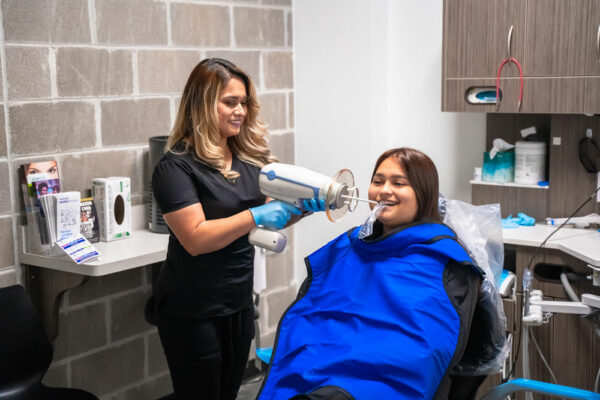
    It's worthwhile to try CPAP therapy as you'll frequently notice instant symptom relief and a significant increase in your physical and mental vigour. With continuous updates and improvements, CPAP technology has led to lighter, quieter, and more comfortable devices than in the past. Digital dental X rays are highly safe and necessary for our Langley dentist to diagnose holes, fractures and infections.


    Finalizing the issue 

    If you have sleep apnea, you should consult the best course of action for addressing your condition with your affordable dentist in houston Texas. A successful course of therapy should reduce other signs, including snoring and excessive daytime sleepiness and improve your sense of alertness and sleep. For your general health, it's crucial to stick with your sleep apnea therapy even if you don't notice an improvement in your sleep.


    It may take some time for you to get used to using your prescription oral appliance or breathing device every night.

  • Explore The Various Therapy Options For Sleep Apnea In Houston

    While many Houstonians find occasional afternoon sleepiness or snoring an issue, it is a more chronic ailment for some. While some individuals have numerous sleep disorders, sleep apnea is occasionally mistaken for being tired during the day or simply being a loud snorer at night. If sleep apnea is not treated, studies have shown that it increases the risk of heart failure, high blood pressure, stroke, diabetes, car accidents, and pregnancy complications. Get the complete information by visiting the best dentist in houston.


    What's that?

    According to statistics, 90% of snorers may have an undiagnosed sleep issue. A potentially fatal sleep disease, sleep apnea, can lead to several topics, such as persistent daytime tiredness and sleepiness, heart issues, and even stroke. Everyone should be aware of apnea's warning signs and symptoms to prevent its advancement and enhance the general quality of life for oneself or a loved one.


    Apnea treatment in sleep

    In moderate cases of sleep apnea treatment in houston may only involve a lifestyle change. If your doctor thinks that's an excellent place to start, they will tell you.


    Reduce your weight.

    Decreasing your weight can have a significant effect if you are overweight. It can lower your blood pressure, lessen daily tiredness, and lessen the frequency of breathing episodes you have, while it is typically not a complete cure.


    Work out.

    Exercise can increase your alertness and energy levels during the day and reduce your episodes of sleep apnea breathing, even if it does not result in weight loss. Try yoga, resistance training, and aerobic activity to strengthen the muscles in your airways and enhance breathing.


    Turn over to sleep on your side.

    The worst posture for sleep apnea is on your back because it narrows your airway, causing your tongue, jaw, and other soft tissues to slip back against your throat. Being on your stomach doesn't really.


    Steer clear of alcohol, anxiety pills, and other sedatives, especially right before bed, as they relax the throat muscles and impede breathing. 


    Additional advice

    • Raise your head. Raise your bed's head by four to six inches, or use a foam wedge or cervical cushion to raise your body from the waist. Another helpful option is to use the incline feature on an adjustable bed. 
    • Use a nasal dilator, saline spray, breathing strips, or a nasal irrigation system at night to open your nasal passages. 
    • Give up smoking. By causing inflammation and liquid retention in the throat and upper airway, smoking aggravates sleep apnea. 
    • Stay away from coffee and large meals for two hours before bed.


    How does a CPAP machine operate and what is it?

    An airtight nosepiece or mask, together with a hose, is used by a CPAP machine to provide a continuous stream of air to the sleeper while they are asleep. Breathing pauses are avoided by the air pressure, which keeps your airway open.


    It's worthwhile to try CPAP therapy as you'll frequently notice instant symptom relief and a significant increase in your physical and mental vigour. With continuous updates and improvements, CPAP technology has led to lighter, quieter, and more comfortable devices than in the past. Digital dental X rays are highly safe and necessary for our Langley dentist to diagnose holes, fractures and infections.


    Finalizing the issue 

    If you have sleep apnea, you should consult the best course of action for addressing your condition with your affordable dentist in houston Texas. A successful course of therapy should reduce other signs, including snoring and excessive daytime sleepiness and improve your sense of alertness and sleep. For your general health, it's crucial to stick with your sleep apnea therapy even if you don't notice an improvement in your sleep.


    It may take some time for you to get used to using your prescription oral appliance or breathing device every night.
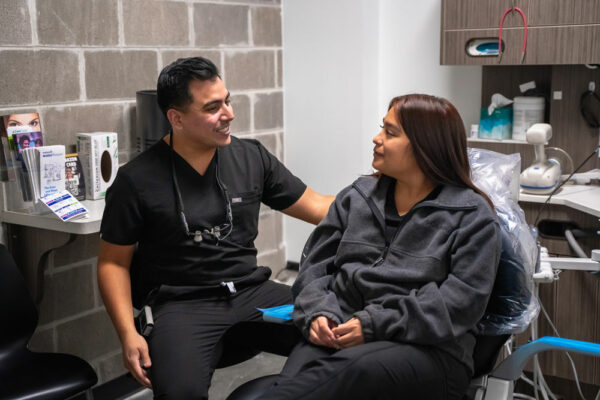

  • Which Tooth Is The Hardest To Extract?

    For the majority of teeth, dental extraction is a very straightforward process; nevertheless, certain teeth pose a difficulty for dentists doing tooth extractions. The wisdom tooth, often known as the third molar, is the most complex tooth to remove. An infection or abscess, the patient's medical history, present health issues, and the tooth's closeness to nerves and sinus cavities can all make extraction challenging.


    Because upper molars are located near the sinus cavity, they could be challenging to remove. Nevertheless, they are usually easier to extract because of their straighter roots and less solid surrounding bone. This article will examine why wisdom teeth are hard to remove and what makes it hard to do so.


    Why is Wisdom Teeth Extraction Such a Challenge?

    These variables may make the extraction procedure more challenging, requiring the houston dentist to carefully plan and carry out the procedure to lower the possibility of difficulties.


    Measurements and Shape

    Wisdom teeth usually have longer roots and a bigger overall size than others. They might also have odd angles or forms that make removal challenging. The roots of wisdom teeth may also be curved, which makes extraction difficult.


    Analgesia

    Local anesthetic is often used to extract wisdom teeth while the patient is awake. This can be challenging for the dentist since they have to successfully remove the tooth while confirming the patient is relaxed throughout the procedure.


    Place

    Later in life, your wisdom teeth erupt, often in the back of your mouth. They might become affected, either failing to emerge entirely or partially erupting from the gum line. They might become affected, failing to appear fully or partially discharging from the front tooth cavity. Due to the tooth's restricted access, extraction may become challenging.


    Encircling Tissue

    Various tissues surround the wisdom teeth, including blood vessels, nerves, and gum tissue. The extraction procedure is more complicated because the dentist must carefully remove the tooth without inducing any harm to the surrounding structures.


    Are extractions of wisdom teeth and simple extractions the same?

    The wisdom teeth, the third set of molars, usually erupt in the back of the mouth in individuals 17 to 21. Some people never get wisdom teeth, but more often than not, people discover that their jaws are too tiny to accommodate four more unneeded molars. Wisdom teeth might pose issues if they partially erupt, but there is not enough room for them. When teeth are said to be partially erupted, it indicates insufficient space in the mouth to emerge fully. There may be pain from the teeth pressing on the other molars.


    Wisdom teeth with ultimately affected gums may never erupt. To find out if they are a problem or if there might be a problem in the future, dentists will x-ray them. Most dentists will recommend a surgical extraction of the wisdom teeth if they are likely to create dental issues.


    Wisdom tooth extraction recover quicker in younger individuals; some dentists may recommend them as a preventative against more issues.


    In summary


    Our experienced team of dental experts is committed to giving you the best care possible and ensuring you're comfortable during the entire procedure if you need a tooth extracted. Even though tooth extraction may be unpleasant, you must accept your dentist's recommendation when they make this treatment known. Frequent tooth extraction is the best course of action to stop more dental health problems and ease pain or suffering. If you have any dental issues or inquiries about tooth extractions or other dental treatments, don't be afraid to contact our team of dental extractions near me.


  • The Advantages Of Regular Oral Cancer Screening In Houston

    An oral cancer screening is generally included in a regular checkup appointment for available dentistry. When a person turns 45 years old, they are required. The patient has no pain or discomfort during the simple screening process. The dentist will examine the inner tissues of the dental mouth guard cavity. 


    Although some people may not think that an oral cancer screening is required, it is always better to be safe than sorry. Similar to other medical disorders, oral cancer can go undiagnosed, particularly since many people rarely examine the interior of their mouths. To learn more about the significance of routine tests, continue reading.


    What's that?

    An oral cancer screening is an inspection to check for oral cancer. Tongue, jaw, and mouth cancers are examples of oral cancers.


    An oral cancer screening looks at the following areas:


    Cheek tissue.

    Inside and outside of your mouth.

    Tongues, lips, gums, and tonsils.


    Oral cancer checkups are crucial for a few reasons.

    Preventative actions

    An oral cancer screening is helpful because it makes preventative actions possible. The required steps can be taken to stop cancer from starting or worsening if the dentist sees any warning signals.


    Promote preventive

    The dentist can take the required steps to stop cancer from spreading, which is another preventive reason for getting routine oral cancer screenings. Because cancer spreads so swiftly, the body as a whole may be at risk.


    Early intervention

    Regular oral cancer screenings facilitate early treatment implementation. Cancer can be corrected and treated more quickly the earlier it is identified and dealt with. Early treatment options could include chemotherapy, surgery, or pharmaceuticals, depending on the extent of the malignancy.


    Additional information

    Patients should be aware that screenings for oral cancer may not be sufficient to stop cancer from developing on their own. Many people develop oral cancer as a result of genetics or bad lifestyle choices, including abusing alcohol, smoking cigarettes, or spending too much time in the sun.


    Is it possible for a dentist to detect oral cancer?

    Various healthcare professionals can perform oral cancer screenings, but dentists typically provide them for regular examinations. It's crucial to understand that oral cancer screenings cannot make a cancer diagnosis. Healthcare professionals use screenings to check for cancerous growths. If they discover anything questionable, your emergency dental service in houston TX will recommend you to an oncologist for additional testing, diagnosis, and treatment.


    What can I anticipate from my oral cancer screening?

    Your healthcare professional may employ a mix of oral cancer screening techniques, such as visual examination, palpation, and the use of lights and dyes. To keep an eye on any unusual places, they might also snap pictures of them. Screenings typically last under five minutes.


    When should I give my doctor a call?

    Contact your top dentist in houston as soon as possible if you experience mouth pain or discover any new lumps, bumps, or lesions. Don't hesitate to seek medical attention if you suspect something is off. Early detection is crucial.


    To wrap it up 

    One prevalent malignancy that affects the head and neck is oral cancer. Given the startlingly high death rates, prompt diagnosis and treatment depend on early discovery. Your best chance of discovering oral cancer in its early stages is through routine checkups. Find out from your affordable dental care in houston tx, how frequently screenings are necessary for your best health.


  • Everything You Should Know About Gum Grafting Is Provided Here

    Maintaining dental health goes beyond treating cavities and tooth decay, straightening crooked or impacted teeth, and replacing missing teeth. The state, look, and risk of infection and inflammation of the gums are all essential aspects of oral health that are frequently disregarded. When together, these maintain gorgeous, healthy smiles.


    Take Care of Your Dental Health

    Gum recession is one of the most typical consequences of periodontal disease. Usually, very vigorous brushing, previous orthodontic treatment, and thinner gum tissue cause gums to recede.


    A history of gum disease and gingivitis brought on by germs and inflammation from inadequate hygiene is a more serious reason for concern. These negative consequences can be reversed, and your gums can be healthy again with a gum transplant. The appropriate grafting technique, planning, and recovery are essential to the outcome of your gum graft surgery in houston; these can all be achieved with the help of a skilled periodontist.


    What is a transplant of gums? 

    One dental operation that a periodontist (a gum specialist) does is gum grafting. The suggested course of therapy for receding gums is to keep the tooth root surface covered, as this can cause irritation and decay.


    During gum grafting, a segment of healthy gum tissue or the roof of the mouth is harvested. The area where the gum tissue has receded is where this component is grafted or joined.


    What kind of gum graft am I in need of?

    Different gum grafting methods are intended to treat different periodontal issues. In every gum transplant, donor tissue from another area of the mouth is taken and attached to the area where the gums have receded. What's different are the methods used and the anticipated healing outcomes.


    Graft of connective tissue

    To do gum grafting utilizing connective tissue, a little flap in the roof of your mouth—also referred to as a "trap door"—must be opened. Afterwards, your orthodontics in houston will utilize this trap door to locate, cut out, and sew a piece of connective tissue to the area where your gums have receded. 


    Gratuitous gingival graft

    A free gingival transplant, as opposed to the "trap door" method, also involves removing a tiny amount of tissue from the roof of your mouth. The tissue used is grafted onto the area that requires more gum tissue due to weakening. However, it is still the top layer of the palate.


    Pedicle Grafting 

    A tissue taken closer to the recession site is grafted using a flap in a pedicle graft. Covering the retreating gum tissue with a flap allows the affected area's tissue to be utilized locally instead of being taken from another portion of the mouth, such as the roof.


    Periodontists observe that pedicle dental bone grafting is frequently the most effective procedure because it preserves blood supply to the affected tissues.


    Substitute grafts

    Although it's not always feasible, your healthy tissue is often used for gum grafting. An alternate graft could be suggested in extreme situations where a significant portion of the gums have receded or if your periodontist has to cover the gum area of up to five teeth.


    Risks Associated with Gum Graft Surgery 

    Gum grafting is a very safe and effective operation that has been studied and shown to be successful in treating many types of gum disease and intense brushing-related receding and thinned gums. Issues and infections could arise, particularly in the absence of adequate post-operative care. 


    Contact your dentists in houston as soon as possible for sudden or seeping bleeding around the graft site, swelling, bruises, fever, and pus. These suggest that the graft needs to be redone since it did not correctly take root or adapt to the spot.


    Conclusion 

    Gum grafting won't make previously receding gums appear better overnight. The graft will adjust to the area over a few weeks as the swelling worsens and the wound heals. Observing the entire advantages or the gums' repaired appearance will take a few more weeks. The best dentist in houston texas, can talk to you about your treatment options.


Free Website Created & Hosted with Website.com Website Builder

Create Yours

Create Free Website Now

Stunning Website Templates. Free Domain.
website.com: Get Your .COM Domain for Just $14.77/year No Hidden Fees Register Now