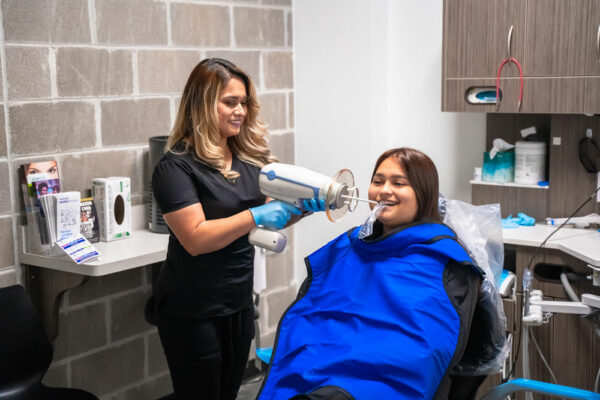
• What Parents Need To Know About Invisalign For Teens

    Teenagers may request Invisalign Teen braces when the time comes. Invisible clear aligners are more stunning and less noticeable than traditional metal braces. They are also more leisurely to clean, cost-effective, and durable. Plus, your teen feels more secure in social environments. In this article, you will understand why Invisalign Teenagers are trending. Let’s get going.


    Invisalign for Teens vs Invisalign for grown-ups 

    Invisalign For Teens is similar to Invisalign for adults, but the two therapies differ significantly. Unlike Invisalign for grown-ups, the aligners used in Invisalign Teen have a smallish dot on the back. That dot will switch from blue to remove to white, relying on how often a teenager wears them. The more teenagers wear their Invisalign aligners, the more readily the dot's color will vary hues.


    Why do teenagers go for Invisalign? 

    Below are the numerous vital issues that arise when your teen always reminds you of the aligner way.


    Less Evident than Standard Braces

    The most significant benefit of Traditional Braces is they are virtually hidden. Invisible clear aligners are less noticeable. Kids with braces tend to secrete their smiles. Let your teens glow with the opportunity to dismiss their braces for photos. They’ll also feel more secure with Invisalign Teen aligners. That’s a reality.
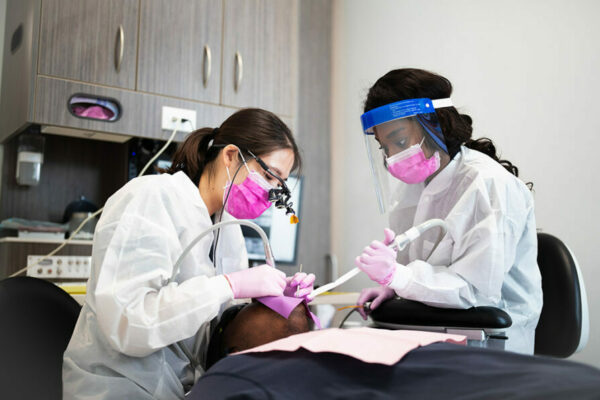


    Easy to Clean and Preserve

    Cleaning is much more comfortable when essential than cleaning metal braces. Metal braces can be an annoyance when it arrives time for brushing and flossing. Since all braces are transient, many teens will skimp on grazing or flossing.


    It is less bitter than other braces.

    It’s not easy managing your teenagers' discomfort. Luckily, Invisible aligners are much less bitter than metal braces. Metal braces have extensive anchors on each tooth, which can dig into lips and cheeks, and they can sometimes be painful if your teens aren’t careful.


    No Dietary Restrictions

    Most braces require a diet restricting complex meals like popcorn and ice on the cob. Metal braces are also unfortunate when tightened, preventing teens from enjoying the foods they love. If you need advice about your invisalign, visit dentists in houston tx.


    More irregular Headaches and Oral Problems

    Many teens opt for Invisalign Teen because they want straight teeth and a secure smile. Crooked teeth can also cause other problems, such as difficulty brushing teeth when they crowd over other teeth.


    What Necessities Does Invisalign Teen Treat?

    They are using progressive technology. Invisalign Teen can dine a broad range of dental and orthodontic necessities. In the past, these were usually treated with traditional braces. These conditions include:


    • Widely spaced teeth
    • Extremely crowded teeth
    • Crossbite
    • Overbite

    Concluding the matter 


    More teenagers than ever are selecting Invisalign because of its hidden formation and unrivalled convenience. However, your teenager must wear their aligners as directed by their invisalign dentist in houston. If patients cannot keep up with their therapy plan, their improvement may slow or switch. For this explanation, some teenagers may find that fixed braces better fit their lifestyle.
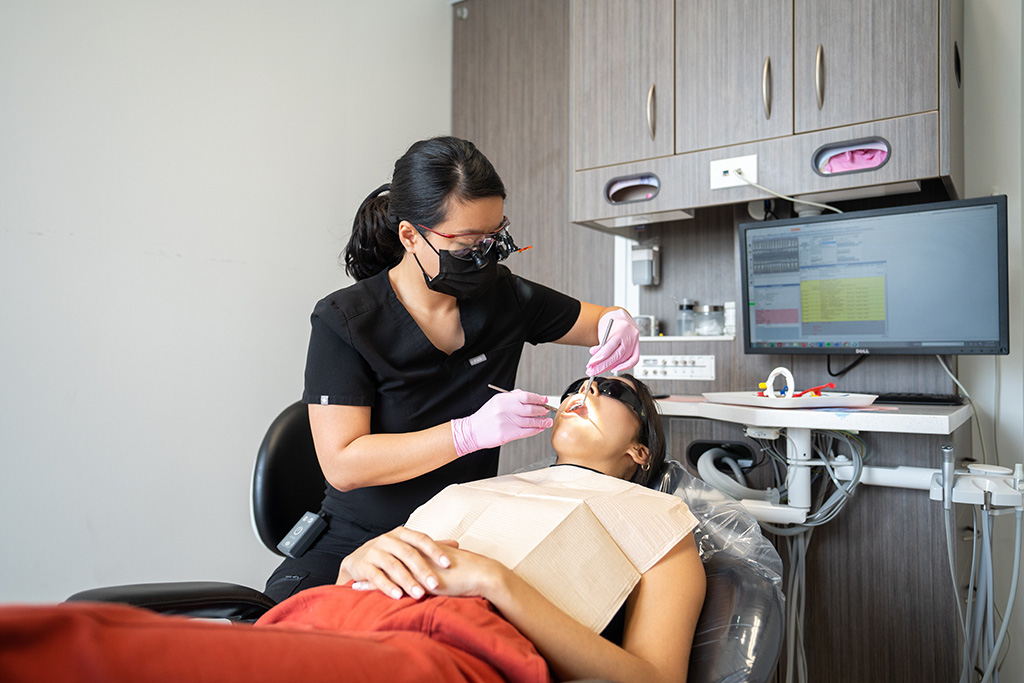

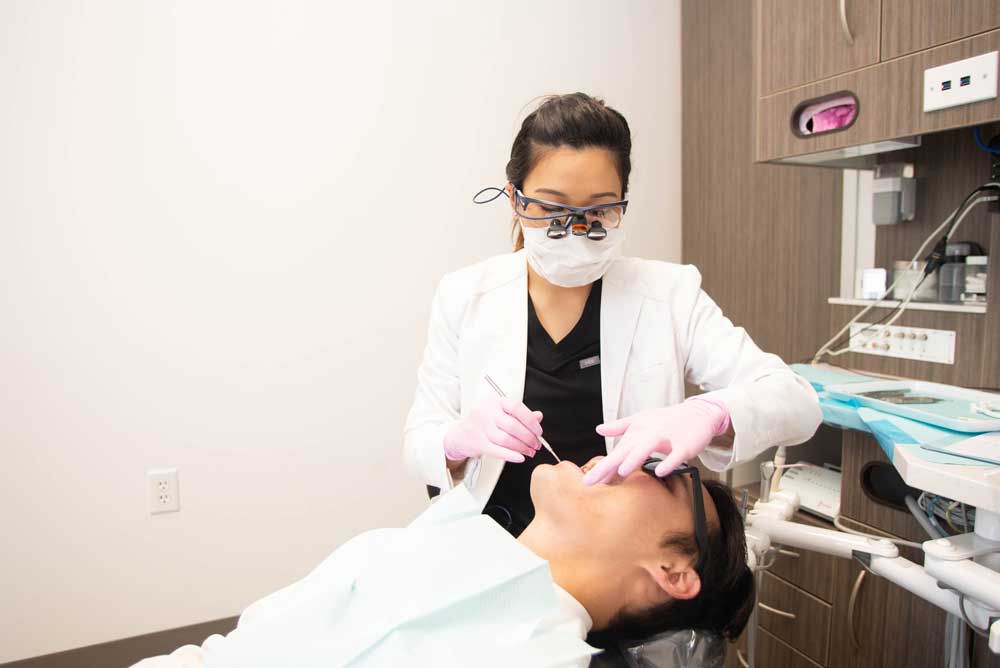
  • Why Root Canal Therapy Is Required In Dental Implants?

    Consider yourself in a dental chair, enjoying the gentle whir of the machinery. The dentist mentions root canal therapy after telling you that you need a dental implant. You might think about the role of root canal therapy in dental implant procedures. To eradicate your doubt, read this article till the end, as this article will break down the reason why you need a root canal before dental implants at dentist walk ins near me.


    What is Root Canal Therapy?

    The little channels inside your teeth are referred to as root canals. These canals contain pulp, a soft tissue that may become infected or harmed as a result of cavities, trauma, or other problems. For your tooth, root canal therapy is akin to a rescue effort. It entails removing the contaminated or damaged pulp, sanitizing the region, and capping it off to stop further issues.


    Preparing for Dental Implants

    Infection Control

    Your mouth must undergo root canal therapy in order to be ready for dental implants in houston. Getting rid of any infection in the decayed tooth creates a stable and clean environment for the implant to affix to your jawbone. Consider it as preparing the way for a newcomer.


    Tooth Removal (Extraction)

    The broken tooth might need to be completely extracted in some circumstances. Extraction is the term for this action. The dental implant can then be placed by the dentist open on saturdays near me once the tooth has been extracted. Extraction is similar to dismantling an outdated structure to make room for a new one.


    Bone Evaluation and Grafting (If Needed)

    The adult dentist in houston examines your jawbone after removing the tooth to make sure it is sturdy enough to sustain the implant. It may be essential to do a bone grafting treatment if the bone is too thin or lacking volume. This is comparable to strengthening the ground before laying a rock-solid foundation for a house.


    Implant Placement

    The dental implant can be placed once the location is free of infection and the bone is prepared. It's similar to installing a sturdy pillar on which the new tooth will be fastened.


    Healing Time

    Your body requires time to repair after the implant is in place. Your jawbone will grow around the implant at this time, securing and stabilizing it. This is comparable to starting the building before the cement has completely dried.


    Adding the Tooth (Prosthesis)

    A prosthesis, such as a crown, bridge, or denture, is attached to the implant once it has been firmly fixed in place in your jaw. With this prosthesis acting as your new tooth, you can securely eat, speak, and smile. It's the finishing touch for your new building.


    Winding It Up

    You now know how root canal therapy affects dental implants. Your mouth will be clear of infection and prepared to receive a dental implant after receiving root canal therapy. It's similar to priming the canvas before painting a stunning picture on it. The implant may not be successful, and you won't be able to make use of all its advantages if your foundation is unhealthy.


    Keep in mind that the root canal dentist in houston are your mentor during this procedure. They will evaluate your particular circumstances and provide the appropriate recommendations to make sure your dental implant journey is painless.


  • The Significance Of Dental Floss Threader In Oral Hygiene

    If you don't floss, you risk gum sickness, tooth decay, and other conditions. While it may not be required, flossing is recommended to sustain optimal dental health. However, how do you floss? You have likely seen someone flossing on TV or in movies, but what does it entail, and how does it work?


    Flossing carries a thread between your teeth to clear debris that brushing alone cannot. This article will describe the significance and benefits of dental floss threader. While brushing and flossing combined provide the best formula for optimum tooth health, a solid flossing habit can supplement brushing with many benefits.


    What Edges Does Flossing Offer? 

    The advantages of flossing extend far beyond oral hygiene; they impact your overall health and well-being. Food particles, germs, and other items that can harm teeth are extracted by flossing. Along with its many other preventive edges, dental floss also aids in removing plaque and decreasing foul breath. Flossing has benefits, even if you only do it sometimes because it is essential to proper oral hygiene.


    Why Is Flossing So Important?

    Where toothbrushes can't reach, it is clean. 

    Although it's a powerful weapon, your toothbrush has its limits. It works well for cleaning your teeth surfaces but can't get into the small crevices between them. Floss helps to clean these crevices and nooks by eliminating food particles and plaque.


    Tartar and Plaque Management

    A moist layer of germs called plaque continuously builds up on your teeth. Only a dentist or dental hygienist in houston tx, can clear plaque that has solidified into tartar.


    Prevention of Gum infection

    Bad flossing practices are an ordinary cause of gum illness, which includes periodontitis and gingivitis. Gum disease can result from plaque buildup between teeth because it irritates and inflames the gums. Flossing is one proactive method to avoid this frequent dental problem.


    Cavity Defense

    Flossing maintains healthy gums and lowers the risk of pits. It also decreases the chance of tooth decay by cleaning the spaces between teeth of meal particles and plaque.


    Clean Breath

    Meal particles can get stuck between teeth, causing bad breath. Flossing removes these particles and leaves a fresh, pleasant mouth.


    Keeping the Structure of Teeth

    Untreated holes and gum infections may cause tooth loss. Regular dental checkups and flossing can preserve natural teeth for many years.


    A more radiant grin

    Because flossing extracts plaque-induced stains and discolorations from teeth, it allows you to have a smile that looks brighter. Flossing is an important habit that covers your teeth, gums, and general oral health; it is not an optional addition to your dental care regimen.


    Flossing Methods 

    To fully benefit from flossing, it is imperative to practice the proper procedures. Proper toothbrushing technique ensures the best possible cleaning and helps maintain your gums and teeth from abnormal wear. Here's a detailed tutorial on appropriate flossing technique:


    Choose the Correct Floss

    Several types of dental floss are available, such as flavor— and unflavored-flavored, waxed, and unwaxed. Select one that is user-friendly and relaxing for you.


    Round your fingers with

    When handling the floss, maintain a two-inch margin of safety between your thumb and forefinger. With an inch or two of extra floss left over, wind most of the floss around the middle finger of one hand and the remainder around the middle finger of the other.


    Hold Firmly

    Glide the floss between your teeth while keeping it taut between your fingertips. Guide the floss with your thumbs and forefingers.


    Employ a Sufficient Length

    Trim the length of the floss to around eighteen inches. This stops bacteria from spreading by enabling you to use a new piece of floss in between each tooth.


    Bend in the vicinity of the tooth.

    Once the floss has reached your gum line, form a C-shape around the base of one tooth. Doing this may make you confident that the tooth-gum junction is clean.


    For Every Tooth, Repeat

    Every tooth should have a fresh section of floss used. Wind the clean floss onto the other hand after unwinding the used floss from the first.


    Remember the back teeth.

    Your molars and premolars should receive extra care since they frequently have small gaps where food particles can become lodged.


    Finalizing the issue 


    Flossing is essential for sustaining dental health. In addition to brushing, flossing can help control gum disease, dental infections, tooth loss, bad breath, and many other diseases. Even a tiny amount of flossing can significantly distinguish your oral health if you don't already do it. Contact a top dentist in houston texas, if you have queries regarding flossing, require help with your oral hygiene regimen, or would like to arrange a dental examination.


  • What Is Dental Bone Grafting, And How Does It Heal?

    Dental bone grafts are usually vital for individuals pursuing dental implants. However, what is a dental bone graft, and how is it taken out? This article will cover everything you need to understand about dental bone grafts, including the usefulness of the therapy, what to anticipate throughout your healing, and procedural information. It also examines when to contact your dentist in houston in case of any issues and how to prepare for the strategy.


    Edges of Bone Grafting 

    A notable method called dental bone grafting substitutes lost bone in the jaw due to trauma, periodontal illness, or tooth loss. Bone grafting can improve your bone system and prepare you for additional restorative dental strategies like dental implants.


    Bone grafts can be made from artificial material, animal bone, donor bone, or the patient's tissue. This allows for many alternatives and provides more excellent patient and dentist process flexibility. Dental bone grafting can offer several advantages for oral health and jaw restoration.


    Does Pain Occur During the Process? 

    It makes sense that individuals seeking dental maintenance are more anxious about their dread of pain. First and foremost, you should know that you will be highly unconscious during the entire approach since it is conducted under a general anesthetic. This implies, of course, that you won't feel scared or in agony throughout the operation. You should anticipate some discomfort while you recuperate. Your surgeon may also recommend painkillers if needed.


    When ought I to see my doctor? 

    Redness and swelling around the mouth are warning signs.

    Pain that continues or becomes worse days after the treatment; persistent numbness or tingling; an implant that comes loose, indicating the failure of a previous bone transplant

    For dental health, please visit tooth extractions near me if you encounter this problem.


    How to Get Ready for a Bone Transplant

    Your physician will conduct a thorough physical inspection and take a detailed medical history to decide whether a bone graft is the correct surgery for you. The bone transplant process can take less than an hour and is usually performed in the office of an oral surgeon or dentist. The surgeon will make a small incision to present a bone fragment or a substance resembling bone into the damaged area.


    Bone grafting carries specific hazards, such as infection, gum disease, discomfort, and the potential for the transplant not to function as planned. Specialized instructions to help lower these risks and guarantee a full recovery will be given by your surgeon.


    What phases of healing do dental bone grafts go through? 

    As was already mentioned, healing times can differ significantly among individuals. Your affordable dentist in houston will keep an eye on your recovery after the bone transplant. When your new bone is strong enough to support the implant, they will notify you if you are waiting for dental implant surgery.


    In summary 

    Dental bone grafts help avoid gum disease and tooth loss in the long run and provide adequate bone to support dental implants.


    This standard process is usually safe and well-tolerated despite difficulties and unfavorable results. For further information, make an appointment with a nearby walk-in dental clinic in Houston TX.


  • Ways To Prevent Infection And Restore After Extraction Of Wisdom Teeth

    Are you anxious to have your wisdom teeth removed? No worries; millions of people go through this surgery every year. However, healing can be overwhelming and severe if not handled appropriately. This article will guide infection prevention and hasten the healing process following wisdom tooth extraction. Whether getting ready for surgery or healing, these pointers guarantee a speedy and pleasant recovery. To learn more about dental extraction, visit top dentists in houston. Let's begin!


    The Meaning of Wisdom Teeth 

    The third and last set of molars most people get in their late teens or early twenties are called wisdom teeth. Because they are believed to erupt when a person reaches a progressive age and has accrued a lifetime of wisdom, they are known as wisdom teeth. Your wisdom teeth may crowd out or harm other teeth if they don't erupt normally. Additionally, they may trap food and encourage the spread of bacteria, increasing your risk of gum infection and holes.


    The good news is that there are strategies to hasten healing following wisdom tooth extraction and prevent infection. Here are some pointers:


    1. Care for your mouth as your dentist in houston tx prescribes after the procedure. This usually entails avoiding crunchy or hard meals until your gums have recovered and gently washing your mouth several times daily with warm salt water. 
    1. To help avoid infection, take any antibiotics your dentist recommends. 
    1. For 20 minutes, place an ice pack on your face to help with pain and swelling. 
    1. Sleep with your head on pillows to reduce edema near the extraction site.


    Indications of Wisdom Teeth Impactions 

    Distress is the most typical symptom of impacted wisdom teeth. The source may be a tooth pressing on the nerve that passes through the jawbone.


    • Jaw swelling
    • Having trouble expanding your mouth
    • Tense jaw muscles
    • An earache and bad breath


    Motives for Wisdom Teeth Extraction

    You might desire to have your wisdom teeth extracted for several reasons. For starters, they can be more prone to infection and more challenging to clean if impacted or trapped beneath the gums. Wisdom teeth can also crowd out neighbouring teeth and lead to alignment issues. Eliminating them can aid in averting these problems—no need to worry about recovery following wisdom teeth extraction because it usually happens quickly and easily. So, if you're wondering who delivers 24-hour emergency dental extraction, the solution is simple: any dentist who supplies emergency services on a 24-hour basis.


    Following Wisdom Teeth Extraction: Aftercare Tips 

    Dos and Don'ts: Carefully follow your dentist's or oral surgeon's aftercare instructions to control infection and expedite recovery.


    After surgery, DO comfort for the first 24 hours. Make an effort to refrain from any strenuous activities that can result in bleeding or other issues as you rest with your head propped up on a pillow.


    After surgery, abstain from tobacco usage and smoking for at least 24 hours. Smoking raises the chance of infection and slows the recovery process.


    DO ensure you consume lots of fluids and soft meals in the initial days following surgery. Consuming wholesome foods will hasten your recovery.


    DON'T use mouthwash with alcohol or brush your teeth firmly for at least 24 hours following surgery. They may aggravate the surgery site and impede the healing process.


    DO gently brush and floss the area surrounding the surgery incision to keep it clean. This will encourage recovery and aid in staving off infection.


    Remember to take any prescription drugs exactly as your oral surgeon or dentist prescribes.


    In summary 

    The procedure of extracting wisdom teeth might be frightening. However, you can decrease your disease risk and expedite your healing with proper planning and postoperative care. To provide a speedy recovery following wisdom tooth extraction, adhere to your wisdom teeth extraction in houston tx, offer for postoperative care, take antibiotics as a healthcare provider defines, maintain regular dental hygiene practices, and get enough rest.


Free Website Created & Hosted with Website.com Website Builder

Create Yours

Create Free Website Now

Stunning Website Templates. Free Domain.
website.com: Get Your .COM Domain for Just $14.77/year No Hidden Fees Register Now